Super polished spherical roller bearings are high-performance components designed to handle both radial and axial loads in demanding applications. Their superior surface finish improves load distribution, reduces friction, and enhances durability, making them ideal for machinery operating under high-pressure and high-load conditions. Proper installation of these bearings is crucial to ensure their optimal performance and longevity. Accurate installation minimizes the risk of damage to the polished surface, ensures proper alignment, and helps the bearing perform efficiently under extreme conditions. For high-load, high-pressure applications—such as in heavy machinery, automotive systems, and industrial equipment—correct installation is even more critical, as it directly affects the bearing’s ability to withstand stress, prevent premature wear, and reduce downtime.
Step 1: Preparation and Inspection
1. Clean the Installation Area
Before starting the installation of super polished spherical roller bearings, it is essential to clean the installation area thoroughly. Ensure the workspace is free from dirt, dust, and contaminants that could potentially damage the bearings during installation. A clean environment helps prevent particles from coming into contact with the bearing’s polished surface, reducing the risk of scratches, debris buildup, or contamination, which could affect performance.
2. Inspect the Bearings
Next, carefully inspect the super polished spherical roller bearings for any visible defects, damage, or irregularities. Check for scratches, dents, chips, or any imperfections on the polished surface, as these could compromise the bearing’s efficiency and lifespan. It is essential to ensure that the bearings are in optimal condition before installation to avoid future issues or premature failure. If any defects are found, replace the bearing before proceeding.
3. Ensure Compatibility
Before installation, verify that the bearing size, type, and specifications match the equipment’s requirements. Check the bearing’s dimensions, tolerances, and load capacity to ensure it is the correct fit for the shaft and housing. Using the wrong bearing can lead to improper fitment, excessive wear, or premature failure. Consulting the equipment manufacturer’s specifications or technical manuals can help confirm compatibility and ensure the bearing will perform as intended in the application.
Step 2: Lubrication and Cleaning
1. Lubrication
Proper lubrication is crucial for the smooth operation of super polished spherical roller bearings. Before installation, apply the recommended lubricant to both the bearing and the housing. Lubrication helps reduce friction during installation, ensuring that the bearing is properly seated without causing damage to the polished surface. Additionally, once the bearing is in place, the lubricant will facilitate smooth movement and prevent excessive wear. It is important to use the right type of lubricant specified by the bearing manufacturer to ensure optimal performance and to avoid contamination of the polished surface.
2. Clean Components
Before fitting the bearing, clean the housing and shaft thoroughly to remove any dirt, debris, or old lubricant. Contaminants left on the components can cause abrasive wear, compromising the bearing's performance and shortening its lifespan. Use a clean, lint-free cloth and appropriate cleaning agents to ensure the surfaces are free from any substances that could damage the bearing. Cleaning the housing and shaft also ensures that the bearing sits correctly and operates smoothly once installed.
Step 3: Installation of the Bearing
1. Proper Handling
When installing super polished spherical roller bearings, proper handling is essential to avoid damaging the polished surface. The surface finish is critical to the bearing’s performance, and any scratches or abrasions can reduce its efficiency. Always use clean, lint-free gloves when handling the bearing, and avoid touching the polished surface directly. If necessary, use bearing installation tools such as bearing handlers or bearing pullers to prevent direct contact and ensure safe, damage-free installation.
2. Alignment
Correct alignment is crucial to ensure the bearing operates smoothly and performs optimally. Before installation, double-check that the bearing is properly aligned with both the shaft and the housing. Misalignment can cause uneven load distribution, increasing friction and leading to premature wear or failure. Align the bearing with the shaft and housing carefully, ensuring it fits properly and is centered in the housing before proceeding with further steps.
3. Press Fit vs. Clearance Fit
Understanding the type of fit required for the bearing is essential for proper installation. Press fit and clearance fit are two common types of bearing fits:
Press fit: The bearing is tightly fitted onto the shaft, requiring a press tool for installation. This type of fit is commonly used when the bearing needs to be firmly held in place.
Clearance fit: The bearing allows for slight movement between the shaft and housing, which is suitable for applications where some flexibility is needed.
Step 4: Securing the Bearing
1. Secure the Bearing in Place
Once the bearing is aligned with the shaft and housing, it is crucial to secure it properly without causing any damage to the polished surface. Use the appropriate installation tools, such as a bearing press or a hammer with a bearing installer. These tools help apply even pressure during installation, ensuring the bearing is pressed into place smoothly. Avoid using excessive force or striking the bearing directly, as this can lead to shock damage or distortion of the polished surface. Proper tool usage ensures the bearing is installed correctly, without any risk to its performance or longevity.
2. Check for Proper Seating
After the bearing is installed, carefully check for proper seating. Ensure that the bearing is fully seated in the housing, with no gaps or misalignment. The raceways should be aligned properly with the shaft and housing to ensure smooth movement of the rolling elements. If the bearing is not properly seated or aligned, it could lead to increased friction, uneven load distribution, and premature wear. Verifying proper seating ensures that the bearing will function efficiently and reliably in its application.
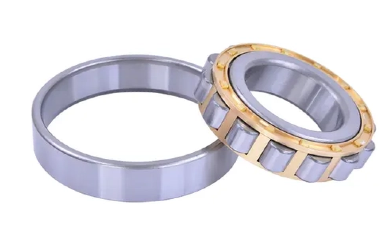
Step 5: Final Checks
1. Rotation Check
After the bearing is installed, perform a manual rotation check to ensure smooth operation. Gently rotate the bearing by hand and verify that it turns freely without any resistance or noise. Any abnormal sounds or stiffness could indicate issues such as misalignment, lack of lubrication, or contamination inside the bearing. Ensuring smooth rotation is a key indicator that the bearing is correctly installed and will function efficiently.
2. Clearance Check
Next, measure the radial clearance of the bearing (if applicable) to ensure it falls within the specified tolerance range. The clearance ensures the correct fit between the bearing and the shaft, allowing for proper functioning under load and preventing overheating. If the clearance is too tight or too loose, it can lead to operational issues such as excessive friction or insufficient load distribution. Use appropriate measuring tools, such as a micrometer or feeler gauge, to confirm that the clearance is within the manufacturer’s recommended specifications.
3. Inspect Seals and Components
Finally, inspect all related components such as seals, sleeves, or any other parts that interact with the bearing. Ensure that the seals are correctly installed to prevent contaminants from entering the bearing and that the sleeves are properly fitted to support the bearing’s operation. Any misalignment or improper installation of these components could compromise the bearing's performance, leading to increased wear or potential failure. Double-checking these components ensures the complete functionality of the bearing system.
Step 6: Post-Installation
1. Test Run
After installation, run the machinery at a slow speed to ensure the super polished spherical roller bearing operates smoothly without any issues. This initial run helps verify that the bearing performs as expected, with no abnormal resistance, noise, or overheating.
2. Monitor Performance
During the test, monitor the bearing's performance for any signs of irregularities, such as noise or vibrations. Any unusual symptoms could indicate problems like misalignment or improper lubrication. Addressing these issues promptly ensures optimal bearing performance and prevents early failure.
3. Ongoing Maintenance
To ensure the bearing’s longevity and continued performance, schedule regular maintenance and lubrication. Routine inspections and timely lubrication will prevent wear and ensure smooth operation, reducing the risk of unexpected breakdowns and extending the bearing's service life.
Frequently Asked Questions (FAQs)
1.Why is it important to use the recommended lubrication when installing super polished spherical roller bearings?
Lubrication reduces friction during installation, preventing surface damage to the bearing and ensuring smooth operation once in place.
2.Can I install super polished spherical roller bearings without professional tools?
While it is possible, using the correct installation tools ensures the bearing is seated properly and prevents damage to the polished surface during installation.
3.What should I do if I notice damage or irregularities on the bearing before installation?
If the bearing shows visible defects, such as scratches or dents, it should be replaced, as these could compromise the bearing’s performance and longevity.
4.How often should I check and maintain the super polished spherical roller bearings after installation?
Regular checks should be performed as part of routine maintenance, with lubrication and inspections every 3 to 6 months, depending on operational conditions. Monitoring the bearing's performance can help catch any potential issues early.
Conclusion
Proper installation and maintenance of super polished spherical roller bearings are crucial for ensuring their optimal performance and longevity. From preparation and lubrication to final checks and post-installation monitoring, each step plays a vital role in protecting the polished surface and ensuring smooth, efficient operation under high-load and high-pressure conditions. By taking care to handle the bearings carefully, align them properly, and monitor their performance regularly, you can significantly reduce the risk of premature failure and increase uptime. Ongoing maintenance, including periodic lubrication and inspections, further ensures the bearing's reliability and efficiency over time, making it a valuable component in demanding industrial applications. Following these steps will help you maximize the performance, durability, and service life of your super polished spherical roller bearings.

 English
 العربية
 Français
 Русский
 Español
 Português
 Deutsch
 italiano
 日本語
日本語 한국어
한국어 Nederlands
 Tiếng Việt
 ไทย
ไทย Polski
 Türkçe
 ພາສາລາວ
 ភាសាខ្មែរ
 Bahasa Melayu
 ဗမာစာ
ဗမာစာ தமிழ்
தமிழ் Filipino
 Bahasa Indonesia
 magyar
 Română
 Čeština
 Монгол
 қазақ
қазақ Српски
 हिन्दी
 فارسی
فارسی Kiswahili
 Slovenčina
 Slovenščina
 Norsk
Norsk Svenska
 українська
 Ελληνικά
 Suomi
Suomi Հայերեն
 עברית
עברית Latine
 Dansk
Dansk اردو
اردو Shqip
Shqip বাংলা
বাংলা Hrvatski
 Afrikaans
 Gaeilge
 Oʻzbekcha
 Български
 ქართული