Roller bearings play a crucial role in the smooth operation of heavy machinery, providing the necessary support for both radial and axial loads. These bearings are integral to the performance and longevity of industrial equipment, ensuring efficient movement and reducing friction. However, roller bearings in demanding industrial applications face several challenges, including wear and tear, misalignment, lubrication failure, and contamination. If left unchecked, these issues can lead to premature bearing failure, resulting in costly repairs and unplanned downtime. Therefore, it is essential to detect and prevent problems early to ensure the bearings continue to perform optimally. Timely intervention and regular maintenance can significantly reduce operational disruptions and improve the overall performance and reliability of heavy machinery.
Common Issues with Roller Bearings in Heavy Machinery
1. Wear and Tear
Wear and tear occurs due to constant friction and stress on the bearing surfaces. Over time, this leads to abrasive contact, causing degradation of the bearing material. Increased friction and heat reduce the bearing's load capacity and efficiency, leading to vibration, noise, and eventual failure if not addressed.
2. Misalignment
Misalignment of the bearing with the shaft or housing causes uneven load distribution and excessive friction. Even slight misalignment accelerates wear, increasing stress and heat, which reduces the bearing's lifespan and impacts machinery performance.
3. Lubrication Failure
Lubrication failure occurs when bearings lack adequate, clean lubrication. This leads to increased friction, overheating, and metal-to-metal contact, accelerating wear. Proper lubrication is essential for reducing friction and protecting the bearing surfaces, ensuring smooth operation.
4. Contamination
Contamination from dirt, dust, or moisture can damage the bearing surfaces. Contaminants cause abrasive wear, and moisture leads to rust or corrosion, preventing smooth bearing operation. In harsh environments, contamination can significantly shorten bearing life.
5. Fatigue and Cracking
Fatigue from repeated heavy loads causes microcracks to form on the bearing surface. These cracks expand over time, leading to failure. Even without extreme wear, cyclic loading in high-stress applications can cause cracking, weakening the bearing and increasing the risk of failure.
How to Detect Issues Early
1. Visual Inspection
A visual inspection is one of the simplest yet most effective ways to detect early signs of bearing issues. Look for visible wear, corrosion, or damage on the bearing surface. Signs such as scratches, pitting, discoloration, or rust can indicate excessive friction, contamination, or inadequate lubrication. Early identification of these issues can help prevent further damage and extend the bearing's lifespan.
2. Noise and Vibration Monitoring
Noise and vibration monitoring are key methods for detecting irregularities in bearing performance. Unusual sounds, such as grinding, whining, or rattling, can signal improper lubrication, misalignment, or wear. Vibration analysis can also help identify abnormalities in bearing rotation. Using vibration sensors and sound detectors allows for real-time detection of potential issues before they cause significant damage.
3. Temperature Checks
Temperature monitoring is critical for identifying overheating bearings. An increase in bearing temperature is often a sign of excessive friction or lubrication failure. Using temperature sensors or infrared thermometers allows you to track the bearing's operating temperature. If the temperature exceeds the recommended range, it may indicate the need for further inspection or lubrication adjustment.
4. Clearance and Alignment Checks
Verifying bearing alignment and proper clearance is essential for preventing stress build-up. Misaligned bearings create uneven load distribution, leading to increased friction and wear. Use alignment tools and measuring devices to check that the bearing is correctly aligned with the shaft and housing. Also, ensure that the radial and axial clearance is within the specified range to avoid overloading the bearing.
5. Performance Monitoring
Performance monitoring involves observing the overall operation of machinery to detect any signs of bearing issues. Regular checks on the machinery's efficiency, noise levels, and vibration can reveal underlying bearing problems. By tracking performance over time, you can identify patterns or deviations that may signal emerging bearing issues, enabling timely intervention before a complete failure occurs.
Preventive Measures
1. Regular Maintenance
Routine inspections and maintenance are critical for preventing issues with super polished spherical roller bearings. Regularly checking for wear, alignment, and proper lubrication helps identify potential problems early, reducing the risk of failure and extending the bearing's lifespan. Scheduled maintenance also ensures that bearings continue to operate efficiently, preventing unexpected downtime and costly repairs.
2. Proper Lubrication
Ensuring the correct lubrication levels and using high-quality lubricants is essential for minimizing friction and wear. Under-lubrication or using the wrong lubricant can lead to excessive heat buildup, increasing wear and causing bearing failure. Regularly check lubricant levels and replace it as needed to keep the bearing well-lubricated and performing at its best.
3. Alignment and Installation
Proper installation and alignment techniques are crucial for preventing premature bearing failure. Misalignment leads to uneven load distribution, resulting in increased friction and excessive wear. Ensure that the bearing is correctly aligned with the shaft and housing during installation to maintain even load distribution and prevent unnecessary stress on the bearing.
4. Sealing and Protection
Using seals and protective coatings helps prevent contamination from dirt, moisture, and other harmful particles. Contaminants can damage the bearing’s surface, causing wear and reducing performance. Proper seals protect the bearing from external contaminants, ensuring smooth operation and a longer service life.
5. Monitoring Tools
Implementing condition monitoring systems allows for real-time detection of bearing performance. These systems monitor vibration, temperature, and noise levels, providing early warnings of potential issues. Using monitoring tools ensures that any developing problems are detected early, allowing for timely intervention and minimizing the risk of catastrophic bearing failure.
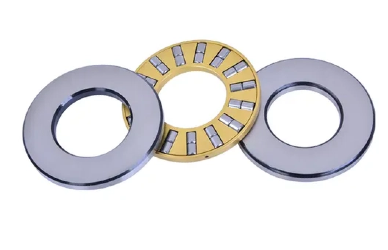
When to Replace Roller Bearings
1. How to Determine When It’s Time to Replace a Bearing
Knowing when to replace a super polished spherical roller bearing is crucial to avoid more costly repairs and prevent unexpected machinery breakdowns. Bearings that have reached the end of their service life can cause damage to other components, leading to more extensive and expensive repairs. To determine when it’s time to replace the bearing, it's essential to consider both the bearing's performance and any warning signs that may indicate imminent failure.
2. Signs That Indicate a Bearing Has Reached the End of Its Service Life
Noise: Unusual grinding, whining, or rattling sounds often indicate internal bearing damage or wear. These noises can result from pitting, misalignment, or excessive friction, all of which reduce bearing efficiency.
Excessive Wear: Over time, roller bearings experience wear due to constant friction and stress. If the bearing surface is visibly damaged, scratched, or worn down, it may no longer function effectively. If wear exceeds acceptable levels, it’s time to replace the bearing.
Loss of Performance: If the machinery begins to experience higher friction, overheating, or vibration, it may be a sign that the bearing’s performance has deteriorated. When bearings no longer perform efficiently, they struggle to maintain smooth rotation, leading to reduced overall equipment efficiency and increased risk of failure.
Excessive Play or Movement: If the bearing develops noticeable play or movement beyond its tolerance limits, it indicates that the bearing has become loose or worn out, compromising its function.
Temperature Increase: A significant rise in the bearing's operating temperature can indicate insufficient lubrication or excessive friction due to wear. Overheating can lead to bearing failure, so replacing a bearing that is consistently overheating is crucial to avoid further damage.
Frequently Asked Questions (FAQs)
1. How can I tell if a roller bearing in heavy machinery is worn out?
Common signs of wear include visible surface damage, increased noise or vibration, and temperature spikes. If you notice any of these signs, it indicates that the bearing may be worn out. Regular inspection and monitoring are essential for detecting these issues early, allowing for timely replacement before more serious damage occurs.
2. Why is lubrication so important for roller bearings?
Proper lubrication reduces friction and heat, preventing excessive wear and protecting the bearing surface from contaminants. Well-lubricated bearings perform more efficiently and last longer by minimizing friction and heat buildup, ensuring smooth operation and reducing the risk of premature bearing failure.
3. Can misalignment cause premature bearing failure?
Yes, misalignment can lead to uneven load distribution, which increases friction and stress on the bearing. If not addressed, this can cause premature failure of the bearing due to localized stress and excessive wear. Proper alignment during installation and regular checks are essential to avoid this issue.
4. What is the best way to prevent contamination in roller bearings?
To prevent contamination, use protective seals, apply the correct lubrication, and ensure the operating environment is clean. Regular maintenance, including inspections for contaminants like dust, dirt, or moisture, is essential to protect the bearing and extend its lifespan.
Conclusion
Detecting and preventing bearing issues is essential to maintaining the performance and reliability of heavy machinery. Bearings are crucial components that directly impact the efficiency and longevity of industrial equipment, and early identification of issues such as wear, misalignment, or lubrication failure can save significant time and money by preventing costly repairs and unplanned downtime. Regular maintenance, proper installation, and the use of the right tools are all key factors in ensuring the longevity of super polished spherical roller bearings in demanding applications. By adhering to these practices, operators can significantly improve bearing performance, reduce the risk of unexpected failure, and ensure the machinery runs smoothly and efficiently in challenging environments. Proactive care not only extends bearing life but also optimizes overall machinery performance, contributing to greater operational success and reducing maintenance costs over time.

 English
 العربية
 Français
 Русский
 Español
 Português
 Deutsch
 italiano
 日本語
日本語 한국어
한국어 Nederlands
 Tiếng Việt
 ไทย
ไทย Polski
 Türkçe
 ພາສາລາວ
 ភាសាខ្មែរ
 Bahasa Melayu
 ဗမာစာ
ဗမာစာ தமிழ்
தமிழ் Filipino
 Bahasa Indonesia
 magyar
 Română
 Čeština
 Монгол
 қазақ
қазақ Српски
 हिन्दी
 فارسی
فارسی Kiswahili
 Slovenčina
 Slovenščina
 Norsk
Norsk Svenska
 українська
 Ελληνικά
 Suomi
Suomi Հայերեն
 עברית
עברית Latine
 Dansk
Dansk اردو
اردو Shqip
Shqip বাংলা
বাংলা Hrvatski
 Afrikaans
 Gaeilge
 Oʻzbekcha
 Български
 ქართული