Linear guide with flange block systems are essential components in precision engineering, providing smooth, precise, and controlled motion for various industrial applications. These systems play a critical role in ensuring the accuracy and efficiency of machinery such as CNC machines, robotics, and automated systems. Preventing wear and tear in these systems is crucial to maintain their precision, reliability, and longevity. Over time, friction and improper handling can cause wear on the track, bearing surfaces, and flange blocks, leading to misalignment, increased friction, and reduced performance. If left unchecked, this wear can result in costly repairs, extended downtime, and compromised operational efficiency. Regular maintenance and preventive measures are vital to ensuring that these systems continue to operate smoothly and provide the high level of performance needed in demanding precision applications.
Proper Lubrication
1. Importance of Applying the Correct Lubrication to Minimize Friction and Wear
Proper lubrication is vital for reducing friction and wear in linear guide with flange block systems. It creates a protective barrier between the bearing surfaces and track, minimizing heat buildup and preventing direct metal-to-metal contact. Without adequate lubrication, increased friction can lead to overheating, surface damage, and premature failure, affecting performance and longevity.
2. Types of Lubricants to Use and Their Impact on the Longevity of the System
Grease: Ideal for high-load applications, grease stays in place and reduces wear while keeping contaminants out.
Oil: Best for high-speed movements, oil offers smooth motion and reduces friction at higher speeds.
Dry Lubricants: Used in clean environments, dry lubricants like PTFE or graphite provide effective lubrication without mess.
Lubricants with Additives: Some lubricants include anti-wear and corrosion inhibitors, offering additional protection for harsh conditions.
Choosing the right lubricant helps improve efficiency, durability, and the overall performance of the linear guide system, extending its service life.
3. Recommended Lubrication Intervals to Maintain Optimal Performance and Reduce Maintenance Costs
Lubrication intervals depend on operating conditions:
Heavy-duty applications may require lubrication every 500 to 1000 operating hours.
Light-duty systems might need lubrication every 2000 to 5000 hours.
Harsh environments (e.g., high dust or moisture) may require more frequent lubrication.
Regular Inspections and Maintenance
1. How Regular Inspections Can Detect Early Signs of Wear
Regular inspections are essential for detecting early signs of wear before they lead to more serious issues. By inspecting linear guide with flange block systems, you can identify surface damage, misalignment, or corrosion that may not be immediately noticeable during operation. Early detection of these problems allows for timely interventions, preventing further damage and reducing the risk of costly repairs or downtime.
2. Importance of Inspecting Tracks, Bearing Surfaces, and Flange Blocks for Damage
Thorough inspections of the tracks, bearing surfaces, and flange blocks are crucial to maintaining the system's performance. Tracks should be checked for wear or dirt buildup, which can cause misalignment and excessive friction. Bearing surfaces must be examined for scratches, pitting, or corrosion, while flange blocks should be inspected for signs of looseness or deformation. These components must remain in optimal condition to ensure smooth movement and prevent premature failure.
3. The Role of Preventive Maintenance in Reducing Long-Term Wear and Ensuring Smooth Operation
Preventive maintenance plays a vital role in extending the life of linear guides with flange blocks. Regular maintenance, such as cleaning, lubrication, and alignment checks, reduces long-term wear and keeps the system running smoothly. By proactively addressing minor issues during routine maintenance, you prevent them from escalating into more significant problems, ensuring consistent performance and reducing the need for expensive repairs and downtime.
Proper Alignment and Installation
1. How Misalignment Increases Friction and Accelerates Wear on the System
Misalignment in linear guide with flange block systems can significantly increase friction and cause uneven load distribution. When the bearing or track is not properly aligned, the system experiences uneven forces, leading to higher friction and localized wear. This not only reduces the efficiency of the system but also accelerates component degradation, leading to premature failure and increased maintenance costs. Misalignment can also cause vibrations and noise, further impacting performance and longevity.
2. Ensuring Accurate Alignment During Installation to Prevent Uneven Load Distribution
Proper alignment is crucial to prevent uneven load distribution that can result from misalignment. During installation, it is essential to ensure that the track and flange block are perfectly aligned along the same axis. Misalignment can cause localized stress on certain parts of the bearing, leading to uneven wear and reduced precision. Accurate alignment ensures that forces are distributed evenly across the system, reducing friction and extending the bearing’s life.
3. Tools and Techniques for Proper Installation to Avoid Misalignment and Premature Wear
Using the right tools and techniques during installation helps prevent misalignment and premature wear:
Alignment tools: Tools such as laser alignment devices or dial indicators help ensure that the components are aligned with high precision.
Torque wrenches: Use torque wrenches to ensure the correct installation force is applied to prevent over-tightening or under-tightening, which could lead to misalignment.
Guide rails: Ensure that the guide rails and bearing blocks are installed correctly, following manufacturer specifications.
Proper handling: Handle components with care during installation to avoid physical damage that could affect alignment.
Regular checks: Perform alignment checks during routine maintenance to ensure components remain properly aligned and functioning efficiently.
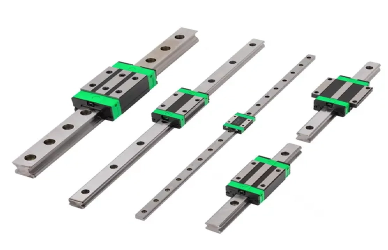
Managing Load and Speed
1. How Excessive Loads or Speeds Can Cause Increased Friction and Wear
Excessive loads or speeds can lead to increased friction, resulting in faster wear and overheating. When the system is overloaded or operates at high speeds beyond its capacity, the bearing surfaces experience excessive stress, leading to damage, reduced efficiency, and a shorter lifespan.
2. Importance of Using Proper Load Capacity and Adjusting Speeds
It is crucial to adhere to the manufacturer's load capacity and speed limits to avoid overloading or operating too quickly. Staying within these specifications ensures smooth operation, low friction, and minimizes stress, helping maintain optimal performance and extend the system’s life.
3. Best Practices for Managing Load and Speed
Monitor loads: Ensure the load is within the recommended limits to prevent excessive stress.
Adjust speeds: Operate within the speed limits specified for the system to avoid overheating.
Gradual acceleration: Start with slow acceleration to prevent shock loading on the system.
Use appropriate drive systems: Ensure the drive mechanisms match the load and speed requirements of the application.
Consider the environment: Be mindful of temperature and contamination that may affect system performance.
Training and Operator Awareness
1. Importance of Operator Training to Ensure Proper Use and Maintenance of Linear Guides
Proper operator training is essential to ensure the correct use and maintenance of linear guides with flange blocks. Well-trained operators are better equipped to recognize early signs of wear or misalignment and can take proactive steps to address issues before they lead to costly repairs or downtime. Training helps operators understand the specific needs of the system, how to operate it efficiently, and how to maintain it for long-term performance.
2. Educating Operators About Maintenance Schedules, Safe Operating Practices, and Preventing Overloading
Operators should be educated on maintenance schedules to ensure that lubrication and inspections are performed regularly, keeping the system running smoothly. They should also be aware of safe operating practices, such as avoiding excessive speeds or loads that could strain the system. Educating operators on the importance of load limits and avoiding overloading helps prevent excessive wear and ensures the linear guides perform optimally without the risk of premature failure. By maintaining awareness of the system’s specifications and the need for regular upkeep, operators can significantly reduce downtime and maintenance costs.
Frequently Asked Questions (FAQs)
1.What are the main causes of wear and tear in linear guide with flange block systems?
The main causes include insufficient lubrication, misalignment, contamination, excessive loads, and high-speed operation beyond the system's design specifications.
2.How often should I lubricate the linear guide with flange block system?
Lubrication frequency depends on the specific application, but generally, it should be done at regular intervals based on manufacturer recommendations or after a set amount of operating hours to ensure optimal performance.
3.Can misalignment be corrected easily in a linear guide system?
Yes, but it requires careful inspection and adjustment during installation or as part of regular maintenance. Misalignment should be addressed immediately to prevent accelerated wear.
4.How can I prevent contamination from affecting my linear guide system?
Use protective seals, keep the working environment clean, and regularly inspect for debris or moisture. Implementing protective coatings also helps prevent contamination from affecting the system's longevity.
Conclusion
In summary, the key strategies to prevent wear and tear in linear guide with flange block systems include proper lubrication, regular inspections, accurate alignment, managing load and speed, and operator training. By ensuring that these practices are followed, you can significantly enhance the longevity and efficiency of the system. Regular maintenance and proactive care help detect issues early, minimize friction, and prevent misalignment or overloading, all of which contribute to smoother operation and reduced downtime. The importance of proper care and regular checks cannot be overstated, as these measures are vital for maintaining the precision, reliability, and long-term performance of the system. Ultimately, preventive steps taken today will maximize the lifespan of the linear guide with flange block system, reducing future maintenance costs and improving overall machinery efficiency.

 English
 العربية
 Français
 Русский
 Español
 Português
 Deutsch
 italiano
 日本語
日本語 한국어
한국어 Nederlands
 Tiếng Việt
 ไทย
ไทย Polski
 Türkçe
 ພາສາລາວ
 ភាសាខ្មែរ
 Bahasa Melayu
 ဗမာစာ
ဗမာစာ தமிழ்
தமிழ் Filipino
 Bahasa Indonesia
 magyar
 Română
 Čeština
 Монгол
 қазақ
қазақ Српски
 हिन्दी
 فارسی
فارسی Kiswahili
 Slovenčina
 Slovenščina
 Norsk
Norsk Svenska
 українська
 Ελληνικά
 Suomi
Suomi Հայերեն
 עברית
עברית Latine
 Dansk
Dansk اردو
اردو Shqip
Shqip বাংলা
বাংলা Hrvatski
 Afrikaans
 Gaeilge
 Oʻzbekcha
 Български
 ქართული