Introduction
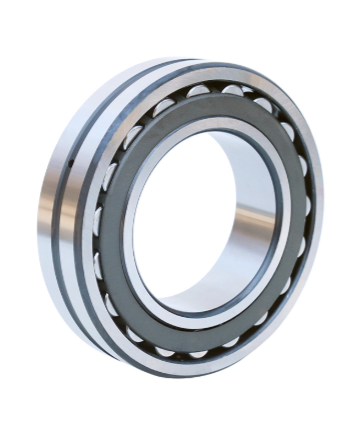
When it comes to heavy-duty machinery, the performance of spherical roller bearings (SRBs) plays a crucial role. These bearings are designed to handle large loads and tolerate misalignment.
In this article, we’ll explore the materials used in Super Polished Spherical Roller Bearings. You’ll learn how material choice impacts their efficiency, durability, and ability to withstand extreme conditions.
1. Understanding Super Polished Spherical Roller Bearings
1.1 What Makes a Spherical Roller Bearing "Super Polished"?
Super polished spherical roller bearings are designed with an extra smooth surface, achieved through a specialized polishing process. The process enhances the bearing's performance by minimizing surface roughness, which significantly reduces friction. This reduction in friction not only increases the efficiency of the bearing but also improves its overall durability and lifespan.
The super polishing process ensures that the surfaces of the inner and outer rings, as well as the rollers, are as smooth as possible. This refined surface allows for better load distribution, reducing wear and tear over time. As a result, these bearings experience less heat buildup, leading to lower maintenance costs and longer operational cycles.
1.2 Why is Material Selection Critical in Spherical Roller Bearings?
Material selection plays a pivotal role in the performance of spherical roller bearings (SRBs). Different materials impact a bearing's load capacity, wear resistance, and tolerance to extreme temperatures. Materials also influence how the bearing performs under stress, in high-speed environments, or when exposed to corrosive conditions.
For SRBs, the choice of material impacts how well the bearing can handle misalignment, heavy loads, and environmental factors such as humidity, temperature fluctuations, or corrosive agents. A carefully chosen material ensures the bearing maintains its efficiency, even under challenging operational conditions.
2. Common Materials Used in Super Polished Spherical Roller Bearings
2.1 High-Carbon Chromium Steel (AISI 52100)
High-carbon chromium steel (AISI 52100) is one of the most commonly used materials in the production of spherical roller bearings. This steel contains approximately 1% carbon and 1.5% chromium, offering an excellent balance between hardness and toughness. It is known for its exceptional wear resistance, making it ideal for heavy-duty applications.
When properly heat-treated, AISI 52100 achieves a Rockwell hardness of 58-65 HRC, ensuring that the bearing can endure high stress without significant wear. Its fine carbide distribution within the steel matrix gives it outstanding rolling contact fatigue (RCF) resistance, which is essential for SRBs used in industrial machinery, automotive components, and other high-load environments.
2.2 Carburizing Steel (AISI 8620/20NiCrMo2)
Carburizing steel, such as AISI 8620, is another popular material for SRBs. This low-carbon steel undergoes a carburizing process, where the surface is enriched with carbon to create a hard surface while maintaining a tough, ductile core. This combination makes it ideal for applications where shock loading is common.
In industries like construction, mining, and agriculture, where bearings experience unpredictable load patterns and mechanical shocks, carburizing steel provides a solution. It offers improved performance under dynamic loads and reduces the risk of fatigue failure.
2.3 Stainless Steel (AISI 440C)
Stainless steel, particularly AISI 440C, is frequently used in SRBs that operate in corrosive environments. With approximately 17% chromium and 1% carbon, stainless steel offers excellent corrosion resistance, making it suitable for marine environments, chemical processing plants, and food machinery.
Although stainless steel typically has lower load-bearing capacity compared to carbon steel, its resistance to corrosion and rust makes it indispensable in environments where exposure to moisture, chemicals, or corrosive agents is prevalent.
2.4 High-Temperature Bearing Steels (M50, M50NiL)
For applications that require high-temperature resistance, such as aerospace or industrial furnace systems, high-temperature bearing steels like M50 and M50NiL are ideal. These steels are specially designed to maintain their hardness and dimensional stability at temperatures exceeding 120°C.
These materials are rich in molybdenum, tungsten, and vanadium, which provide enhanced tempering resistance and high-temperature performance. The ability of M50 and M50NiL to withstand extreme temperatures makes them ideal for turbines, aerospace engines, and similar applications.
Material Type | Properties | Applications |
AISI 52100 | Hardness, wear resistance, fatigue strength | Industrial machinery, automotive components |
AISI 8620 | Tough core, shock resistance | Mining, construction, agricultural equipment |
AISI 440C (Stainless) | Corrosion resistance, moderate hardness | Food processing, marine, chemical plants |
M50/M50NiL | High-temperature resistance, dimensional stability | Aerospace, industrial furnace systems |
3. Special Materials for Extreme Applications
3.1 Hybrid Ceramic Bearings (Si₃N₄ and Steel)
Hybrid ceramic bearings have become a crucial component in high-performance industries due to their combination of ceramic rolling elements (Si₃N₄) and steel rings. Silicon nitride (Si₃N₄), a material significantly lighter than steel, provides exceptional hardness, wear resistance, and thermal stability. With a hardness of 1600 HV, hybrid ceramic bearings excel in environments where other materials may struggle.
One of the primary benefits of ceramic in spherical roller bearings (SRBs) is the reduction of centrifugal forces at high speeds. This feature allows for smoother and more efficient operation, particularly in high-speed machinery where traditional materials might be insufficient. The exceptional wear resistance of ceramics ensures these bearings perform well even in poorly lubricated or contaminated environments, making them highly valuable in industries such as aerospace, robotics, and automotive manufacturing.
Additionally, Si₃N₄’s unique electrical insulation properties make these hybrid bearings ideal for high-voltage applications, such as electric motors and generators, where preventing electrical damage is a critical factor. Their ability to maintain performance in harsh conditions has led to an increase in their adoption across various high-performance industries.
3.2 Surface-Modified Bearing Steels
Surface modification technologies, such as Diamond-Like Carbon (DLC) coatings and nitriding, have transformed the performance of traditional bearing steels, enhancing their durability and efficiency. DLC coatings create an extremely hard, smooth surface that significantly reduces friction. This reduction in friction leads to lower wear rates and longer service life, making DLC-coated SRBs particularly valuable in industries that require continuous, high-load bearing performance.
The DLC coating process involves applying a thin, diamond-like layer to the bearing’s surface, which is both highly wear-resistant and offers low friction. This makes the bearings more efficient, reducing the amount of energy lost to friction, thus improving operational efficiency. Additionally, the smoother surface helps the bearings operate more quietly, an important consideration in industries such as robotics and automotive manufacturing.
Nitriding, another surface modification technique, improves the surface hardness of bearing steels without altering their overall dimensions. This process involves infusing nitrogen into the steel surface to create a hard, wear-resistant layer. The nitrided layer enhances the fatigue strength of SRBs, making them better suited for high-stress conditions. Bearings treated with nitriding are ideal for environments subject to frequent stress cycles, as they are more resistant to fatigue and early failure, ensuring extended bearing life in demanding applications like mining, construction, and steel mills.
4. Material Choice Based on Operating Conditions
4.1 Corrosive Environments
For SRBs used in wet or chemically aggressive environments, materials like stainless steel and special coatings are crucial. Stainless steel, with its high corrosion resistance, is perfect for applications in food processing, marine environments, and chemical plants. In these settings, the bearings are frequently exposed to moisture, harsh chemicals, or saltwater, which can degrade non-corrosive materials.
4.2 High Load and Impact Resistance
In heavy-duty applications like mining, construction, and steel mills, SRBs need materials that can handle high loads and resist shock impacts. Carburizing steels and high-carbon alloys are commonly used in these industries, as they offer excellent fatigue resistance and fracture toughness.
Materials that are capable of withstanding high-impact stresses reduce the likelihood of bearing failure, ensuring that equipment remains operational longer, even under extreme conditions.
4.3 Temperature and Contaminated Environments
In applications exposed to high temperatures or contaminated conditions, special treatments and materials are necessary. High-temperature bearing steels like M50 and M50NiL are designed to perform in such conditions, maintaining their hardness and stability at temperatures up to 350°C.
Similarly, bearings exposed to abrasive contaminants may benefit from nitrided steels, which are harder and more resistant to wear, extending bearing life in challenging environments.
5. Innovations and Future Trends in Materials for SRBs
5.1 Emerging Materials and Technologies
The future of SRB materials lies in innovations like nanostructured materials and advanced surface treatments. Nanostructured steels, which feature refined grain structures at the nanoscale, offer superior strength, toughness, and fatigue resistance. These materials could significantly enhance the performance of SRBs in high-stress applications.
Another exciting development is ultrasonic nanocrystal surface modification (UNSM), which improves the surface properties of materials at the nanometer scale, further enhancing their fatigue resistance and wear performance.
5.2 Sustainability and Energy Efficiency
As industries strive to reduce energy consumption and material waste, new technologies are emerging to create more sustainable bearings. These innovations aim to reduce the size and weight of SRBs without compromising performance, leading to cost savings and energy efficiency in long-term operations.
Conclusion
The material choice for Super Polished Spherical Roller Bearings is crucial for their performance and reliability. Materials such as high-carbon chromium steel, carburizing steel, and stainless steel ensure superior wear resistance and load-bearing capacity. As bearing technologies evolve, new materials and treatments are continuously enhancing their efficiency.
At Shandong Yunfan Precision Bearing Co., Ltd., we offer high-quality SRBs that deliver excellent performance in extreme conditions, helping industries optimize operations and extend equipment lifespan.
FAQ
Q: What is a Super Polished Spherical Roller Bearing made of?
A: A Super Polished Spherical Roller Bearing is typically made of high-carbon chromium steel, carburizing steel, or stainless steel. These materials ensure enhanced wear resistance, load capacity, and durability.
Q: Why are materials important in Super Polished Spherical Roller Bearings?
A: Material choice directly affects the bearing's performance, including its load-bearing capacity, wear resistance, and tolerance to extreme environments, ensuring reliability and longevity.
Q: How does the polishing process improve a Super Polished Spherical Roller Bearing?
A: The super polishing process reduces surface roughness, which lowers friction and improves the bearing’s efficiency, durability, and overall performance under heavy loads.
Q: What materials are best for Super Polished Spherical Roller Bearings in high-temperature applications?
A: High-temperature bearing steels, such as M50 and M50NiL, are ideal for Super Polished Spherical Roller Bearings used in environments with elevated temperatures, like aerospace and industrial furnaces.
Q: Can Super Polished Spherical Roller Bearings be used in corrosive environments?
A: Yes, stainless steel materials like AISI 440C are commonly used for Super Polished Spherical Roller Bearings in corrosive environments such as marine or food processing industries.

 English
 العربية
 Français
 Русский
 Español
 Português
 Deutsch
 italiano
 日本語
日本語 한국어
한국어 Nederlands
 Tiếng Việt
 ไทย
ไทย Polski
 Türkçe
 ພາສາລາວ
 ភាសាខ្មែរ
 Bahasa Melayu
 ဗမာစာ
ဗမာစာ தமிழ்
தமிழ் Filipino
 Bahasa Indonesia
 magyar
 Română
 Čeština
 Монгол
 қазақ
қазақ Српски
 हिन्दी
 فارسی
فارسی Kiswahili
 Slovenčina
 Slovenščina
 Norsk
Norsk Svenska
 українська
 Ελληνικά
 Suomi
Suomi Հայերեն
 עברית
עברית Latine
 Dansk
Dansk اردو
اردو Shqip
Shqip বাংলা
বাংলা Hrvatski
 Afrikaans
 Gaeilge
 Oʻzbekcha
 Български
 ქართული