You can expect wheel bearings to last anywhere from 75,000 to 150,000 miles in 2025, which usually means about 7 to 10 years. The way you drive, the roads you travel, and how well you care for your car all play a big part in how long your wheel bearings survive. Take a look at this table to see what affects their lifespan:
Factor | Impact on Wheel Bearing Lifespan |
Driving Habits | Sharp turns and hard braking put extra stress on wheel bearings. |
Road Conditions | Potholes and rough roads can damage wheel bearings. |
Maintenance | Regular checks help wheel bearings last longer. |
Contamination | Dirt and water speed up wear and tear. |
Impact Damage | Hitting curbs or debris can break wheel bearings early. |
Spotting problems early and learning how to protect your wheel bearings will help you avoid trouble down the road.
Key Takeaways
You should change wheel bearings after 85,000 to 100,000 miles. If you take good care of them, they can last up to 150,000 miles.
How you drive and the roads you use matter a lot. Try not to hit potholes or make sharp turns. This helps keep your wheel bearings safe.
It is very important to check your wheel bearings often. Look at them every 30,000 miles. Listen for strange sounds to find problems early.
Pick wheel bearings from brands people trust. Good parts last longer and do not break as fast.
Use the right grease for your car. The right grease stops wear and helps wheel bearings work well.
How Long Do Wheel Bearings Last
Average Lifespan in Miles and Years
You probably wonder how long do wheel bearings last when you drive your car every day. Most wheel bearings can keep rolling for a long time. You usually need to replace them every 85,000 to 100,000 miles. Some last even longer, up to 150,000 miles if you take good care of your vehicle. That means you might go seven to ten years before you need new wheel bearings. The exact number depends on your car, how you drive, and the quality of the parts.
You should expect to replace wheel bearings about every 85,000-100,000 miles.
Some drivers get even more miles, especially if they avoid rough roads and keep up with maintenance.
The quality of the wheel bearings matters a lot. Better parts can last longer.
If you drive in tough conditions or ignore regular checks, you might need new wheel bearings sooner. Keeping an eye on your mileage and listening for strange noises helps you catch problems early.
What Affects Lifespan
Wheel bearings face a lot of stress every time you hit the road. Many things can change how long they last. Take a look at this table to see what matters most:
Factor | Effect on Lifespan | Impact Level |
Load | Heavy loads wear out wheel bearings faster | High |
Speed | Fast driving heats up bearings and breaks down lubricant | High |
Lubrication | Good grease keeps bearings smooth; bad grease causes quick wear | Very High |
Contamination | Dirt and water grind away at the bearing surfaces | Very High |
Temperature | Extreme heat or cold ruins lubricant and weakens materials | High |
Installation | Poor mounting leads to damage and misalignment | High |
Material Quality | Cheap materials break down sooner | High |
Environment | Bumpy roads and shocks shake up the bearings | Medium to High |
You can help your wheel bearings last longer by driving carefully and keeping your car clean. If you avoid heavy loads and high speeds, you put less stress on the bearings. Regular maintenance, like checking the grease and making sure everything is sealed tight, makes a big difference. When you choose high-quality wheel bearings and get them installed the right way, you set yourself up for a smoother ride and fewer repairs.
Tip: If you hear grinding or feel vibration, check your wheel bearings right away. Catching problems early saves you money and keeps you safe.
Wheel Bearing Lifespan Factors
Driving Conditions
The way you drive and the roads you travel can make a big difference in how long your wheel bearings last. If you hit potholes or drive on rough roads, you put extra stress on your wheel bearings. This can cause damage like Brinelling, which means the bearing surface gets dented. Water from puddles or rain can get inside and cause spalling, where the surface wears down fast. If dirt or grit sneaks past the seal, it can bruise the bearing and lead to bad wheel bearings much sooner.
Hitting potholes can dent the bearing surface.
Water causes the surface to wear down quickly.
Dirt and grit can sneak in and cause early wear.
City driving and country driving affect your wheel bearings in different ways. In the city, you stop and go a lot, turn often, and speed up quickly. All of this puts more wear on your bearings. Out in the country, you might drive at steady speeds, but rough roads can still cause trouble. Either way, you need to watch for signs of bad wheel bearings.
Vehicle Type
The kind of car or truck you drive also matters. Heavier vehicles like SUVs and trucks put more weight on the wheel bearings, so they may not last as long. Lighter cars usually get more miles out of their wheel bearings, especially if you drive gently.
Vehicle Type | Lifespan Impact |
Heavier Vehicles (SUVs, Trucks) | Shorter Lifespan due to increased stress |
Lighter Vehicles | Longer Lifespan when driven gently |
If you drive a heavy vehicle, check for bad wheel bearings more often. You might notice noise or vibration sooner than someone with a small car.
Bearing Quality
Not all wheel bearings are the same. High-quality bearings last longer and handle stress better. When you pick bearings made from strong materials and with good manufacturing, you get better load distribution and less chance of bad wheel bearings. Some brands stand out for their reliability and long life.
Brand | Lifespan & Reliability | Notes |
BCA/NTN | High | Positive reviews from mechanics and owners. |
NSK | High | Praised for precision engineering. |
Timken | High | Reliable aftermarket option. |
SKF | High | Highly regarded despite some concerns. |
FAG | High | Matches quality of premium brands. |
If you want to avoid bad wheel bearings, choose a trusted brand and make sure the parts fit your car.
Maintenance Habits
How you care for your car has a huge effect on wheel bearing life. Regular greasing keeps your wheel bearings running smooth. Use the right grease and follow your car’s manual for how often to apply it. If you have an older car, you can sometimes replace the seal to keep water and dirt out. Always check your wheel bearings for noise or vibration. Catching bad wheel bearings early can save you from bigger problems.
Here are some habits that help your wheel bearings last longer:
Make sure the bearings are installed right with clean tools.
Use the correct grease for your car.
Pick the right bearings for your vehicle.
Avoid overheating the bearings during installation.
Follow your owner’s manual and avoid changes that add stress.
Tip: Listen for grinding or humming sounds. These are often the first signs of bad wheel bearings.
Wheel Bearing Replacement Signs
Common Symptoms
You might notice several signs of a bad wheel bearing before it fails completely. Mechanics in 2025 report these symptoms of failing wheel bearings most often:
Unusual noises from the wheels, like clicking, grinding, or whining
Poor handling and unresponsive steering
Pulling to one side while driving or braking
Shaking or vibration, especially on the side with the bad wheel bearing
Uneven tire wear from loose suspension parts
ABS light turning on because of erratic sensor readings
Excess heat from tires and wheels due to friction
You may also hear a humming or whirring sound that gets louder as you speed up. Sometimes, you can identify a bad wheel bearing noise during turns, which sounds like growling or metal-on-metal grinding. Squealing or chirping when you turn is another clue. If your car feels loose or starts pulling to one side, you should check for bad wheel bearings right away.
Tip: If you notice any of these signs of a bad wheel bearing, act quickly. Waiting can make things worse.
How to Check
You can check for bad wheel bearings at home with a few simple steps:
Listen for noise while driving, especially during turns.
Park on a flat surface and set the parking brake.
Lift the suspected wheel with a jack and secure it with jack stands.
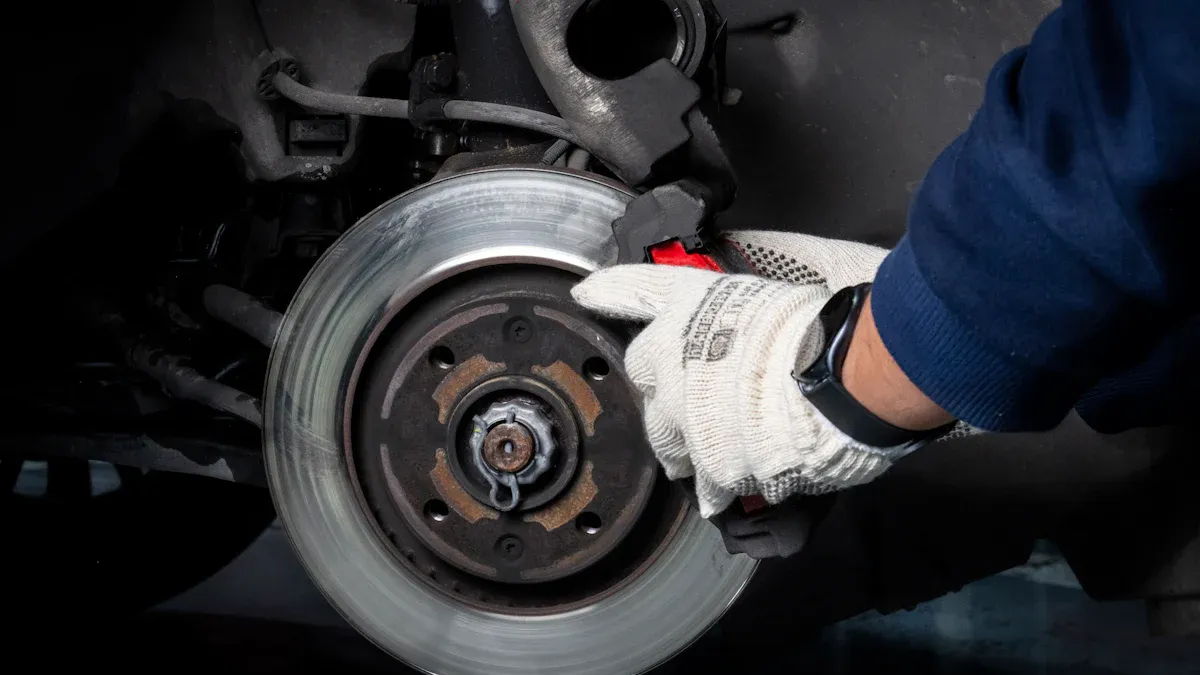
Grip the tire and rock it back and forth. Too much play means you have a bad wheel bearing.
Spin the wheel by hand and listen for grinding or roughness.
Use a flashlight to inspect the bearing area for rust, leaks, or damage.
Test the hub assembly for looseness.
A visual inspection helps you spot rust or leaks. Manual testing by wiggling the wheel can reveal looseness. A road test lets you listen for noises and feel for vibrations, which are classic signs of a bad wheel bearing.
When to Replace
You should schedule wheel bearing replacement as soon as you spot signs of a bad wheel bearing. Delaying repairs can lead to bigger problems. Here’s what can happen if you wait:
Risk | Implication |
Increased braking distance | Harder to stop safely |
Wheel detachment | Severe accidents |
Damage to suspension | Costly repairs |
Higher repair costs | More damage from neglect |
Ignoring bad wheel bearings can cause uneven tire wear, steering instability, and even wheel detachment. Wheel bearing replacement keeps you safe and saves money in the long run. If you notice symptoms of failing wheel bearings, don’t wait. Replace them right away.
Extend Wheel Bearing Life
Maintenance Tips
You can help wheel bearings last longer with good care. Use the right grease for your car. Studies say synthetic PAO and mineral greases work best. These greases fight rust and keep friction low. They also help stop wear on the bearings. Look at this table to see which greases are best:
Grease Type | Base Oil Type | Performance Characteristics |
Grease 1 | Synthetic PAO | Great wear protection, rust resistance, low friction |
Grease 2 | Mineral | Good wear protection, rust resistance, low friction |
Grease 3 | Mineral | Good wear protection, rust resistance, low friction |
Grease 4 | Mineral | Good wear protection, rust resistance, low friction |
Check your wheel bearings often to catch problems early. If your car has sensors, use them to watch for trouble. Sensors can warn you about vibration or speed changes. Fixing issues early stops bigger problems later.
Tip: Always follow your car’s manual for when to add grease. Keeping up with maintenance helps your car stay safe and smooth.
Smart Driving
How you drive matters for wheel bearing life. Try to avoid potholes and curbs when you drive. Slow down on rough roads to protect your bearings. Don’t drive through deep water or puddles. Water can get in and cause rust. Never overload your car, and be careful when towing heavy things.
Driving Habit | Impact on Wheel Bearings |
Avoid potholes and curbs | Less shock and damage |
Reduce speed on rough roads | Less stress and wear |
Avoid deep water or puddles | Stops water from causing corrosion |
Don’t overload your vehicle | Prevents excess strain |
Use caution when towing | Reduces extra weight on bearings |
Driving carefully and avoiding harsh roads helps wheel bearings last longer.
Quality Parts
Picking good parts is important for your car. When you change wheel bearings, choose trusted brands. Make sure you install them in a clean place. Cheap parts break faster and cost more to fix. Use the right grease and follow the maker’s rules.
Put wheel bearings in a clean area.
Pick strong replacement parts.
Use the right grease for longer life.
Note: Good parts and careful work help you avoid early problems and keep your car running well.
Wheel bearings can last from 75,000 to 100,000 miles with good care. Pick strong parts and drive safely to help them last. Check your wheel bearings every 30,000 miles for problems. Listen for odd sounds or feel for shaky steering. Clean parts and the right grease help a lot. Trusted brands and regular care mean smoother rides and less fixing. Pay attention, drive with care, and your wheel bearings will last longer.
FAQ
How often should you check your wheel bearings?
You should check your wheel bearings every 30,000 miles. Listen for strange noises or feel for vibration. If you drive on rough roads, check them more often.
Can you drive with a bad wheel bearing?
You can drive for a short time, but it’s risky. Bad wheel bearings can cause your wheel to come off. Get them fixed as soon as you notice a problem.
Tip: Don’t ignore grinding or humming sounds. These are warning signs!
What happens if you don’t replace a bad wheel bearing?
If you don’t replace a bad wheel bearing, you might lose control of your car. You could damage your tires and suspension. Repairs will cost more later.
Do all cars use the same wheel bearings?
No, cars use different wheel bearings. Your car’s make and model decide which type fits. Always check your owner’s manual or ask a mechanic before buying.
��️ Note: Using the wrong part can cause more problems.

 English
 العربية
 Français
 Русский
 Español
 Português
 Deutsch
 italiano
 日本語
日本語 한국어
한국어 Nederlands
 Tiếng Việt
 ไทย
ไทย Polski
 Türkçe
 ພາສາລາວ
 ភាសាខ្មែរ
 Bahasa Melayu
 ဗမာစာ
ဗမာစာ தமிழ்
தமிழ் Filipino
 Bahasa Indonesia
 magyar
 Română
 Čeština
 Монгол
 қазақ
қазақ Српски
 हिन्दी
 فارسی
فارسی Kiswahili
 Slovenčina
 Slovenščina
 Norsk
Norsk Svenska
 українська
 Ελληνικά
 Suomi
Suomi Հայերեն
 עברית
עברית Latine
 Dansk
Dansk اردو
اردو Shqip
Shqip বাংলা
বাংলা Hrvatski
 Afrikaans
 Gaeilge
 Oʻzbekcha
 Български
 ქართული